ब्लॉग

1 585

Expansion of Narayana – Directions

 संजय रथ  31 January 2015

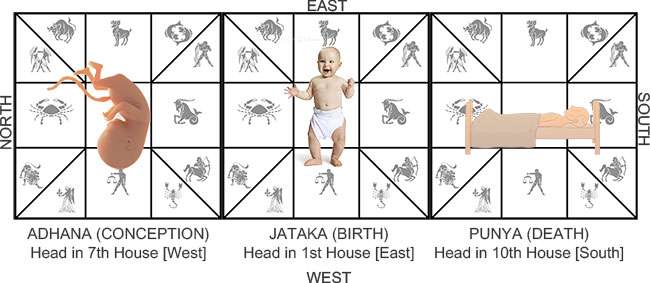
In the foundational teachings of Vedic Jyotiṣa, the first part of the body of Nārāyaṇa was divided into four parts. If we consider the entire body as an endless circle, dividing it by four gives quarters of 90° each. For this, we use a special term called Kendra. The Sanskrit word Kendra literally means a center. If we speak of directions, we have only four principal directions—East, West, North, and South. Each of these is called a Kendra because, at any given time, when we face one direction, the other three are completely out of our sight.
0 507

Knowledge, Wisdom and Mantra

 संजय रथ  10 January 2015

As you know, we have short contact classes where we teach some subjects of PJC and get the opportunity to meet students. This interaction is very beneficial for both, as ultimately it follows the guru–śiṣya paramparā, the ancient Indian traditional system of learning. In the Gurukula system, it was envisioned that the guru (plural: gurus; feminine: gurvī) would be like elders in a joint family, and the students would be like children. Age was never a factor, as learning was open to all ages and all stages of life.

0 581

Jyotish Devata

 संजय रथ  27 December 2014

As a subject, Jyotiṣa has several major branches, including:

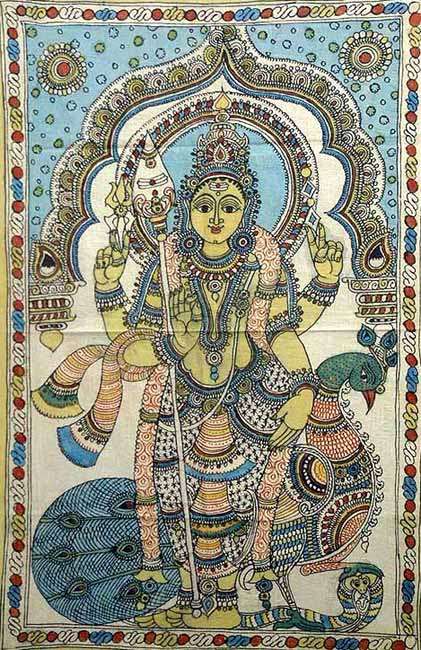
Lakṣaṇa Śāstra – the study of bodily features, signs, and omens in the surroundings. This includes palmistry (hasta-rekhā śāstra), which is associated with Subrahmaṇya or Kārtikeya.
Hora Śāstra – the domain of Gaṇeśa.
Gaṇita Śāstra – mathematics, including Vedic numerology, is another major branch.

All these come under the three divisions: Gaṇita, Hora, and Saṁhitā.

Once, a debate (śāstrārtha) took place between Kārtikeya and Gaṇeśa, with Lord Śiva as the judge. Kārtikeya composed the entire Lakṣaṇa Śāstra, while Gaṇeśa composed Hora Śāstra.