As you know, we have short contact classes where we teach some subjects of PJC and get the opportunity to meet students. This interaction is very beneficial for both, as ultimately it follows the guru–śiṣya paramparā, the ancient Indian traditional system of learning. In the Gurukula system, it was envisioned that the guru (plural: gurus; feminine: gurvī) would be like elders in a joint family, and the students would be like children. Age was never a factor, as learning was open to all ages and all stages of life. Only knowledge was respected, because all knowledge is Śiva—after all, Śiva is the embodiment of knowledge. Many times, students were much older than the teacher. The only consideration here is knowledge: the one who possesses knowledge is the guru, and the one who seeks it is the disciple.
Knowledge is Śiva
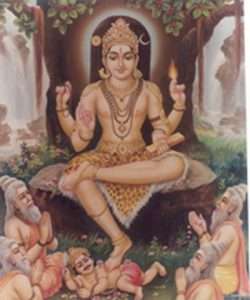
No human being in this world can possess complete knowledge of every subject. If that were the case, one would be Śiva. Therefore, all gurus are also students in other subjects, and they too strive to expand their knowledge. The day a person stops learning and begins to claim that they possess all knowledge, they are in fact mocking Śiva. Their ignorance becomes the cause of their downfall, because what other purpose does a soul have on this planet except to gain knowledge?
Everything we do is meant to support continuous learning in all subjects. Why do we do this? Because we aspire to become like Śiva—we wish to be enlightened in all domains. This is the essence of Advaita: when such knowledge is attained, one becomes like Śiva and can merge into Him. This is one form of mokṣa. Do not get entangled in the debate of Advaita and Dvaita—both operate simultaneously. Did not Caitanya also express this?
Now one thing is clear: the subjects themselves are Pārvatī, called Vidyā, while the knowledge inherent in those subjects is Śiva, called Jñāna.
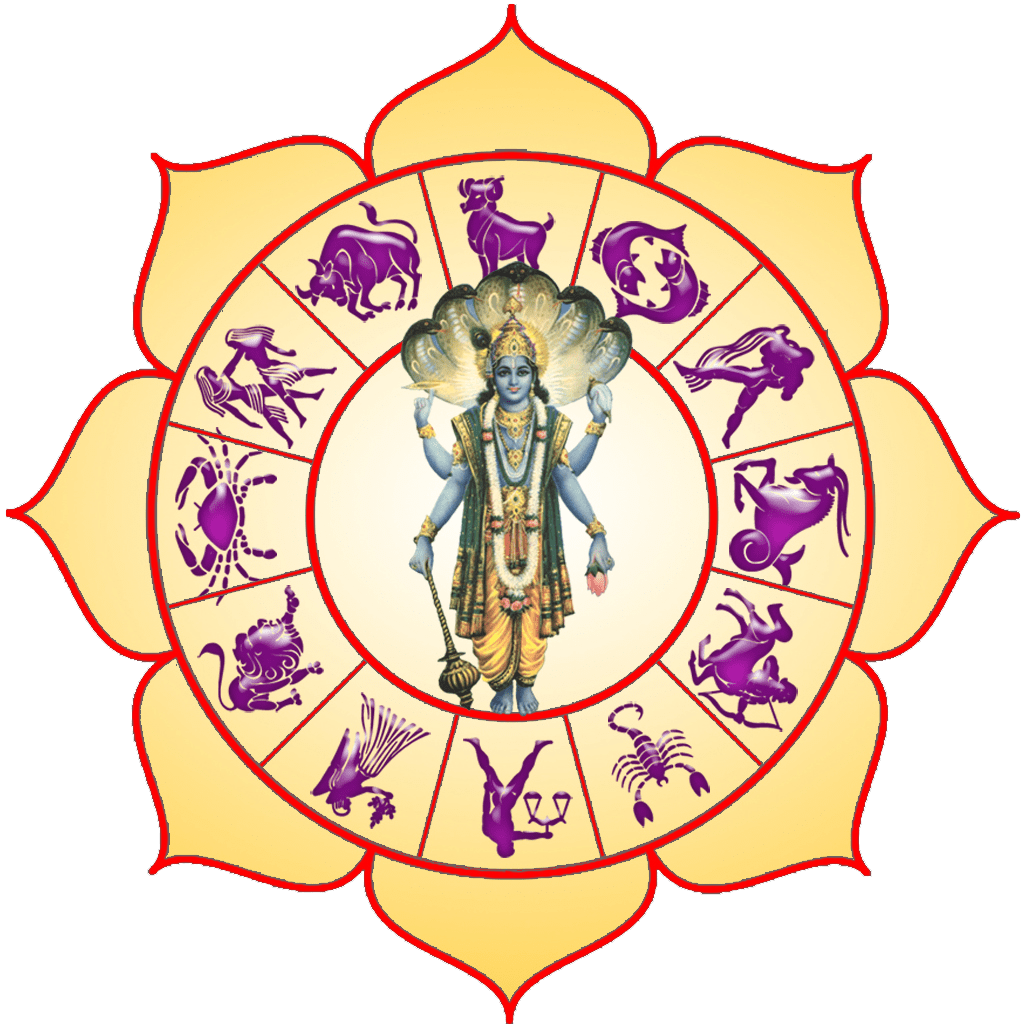
In Jyotiṣa, these correspond to the 4th and 5th houses respectively—the 4th house is the temple of learning (Vidyā), while the 5th house is the treasury of knowledge (Jñāna). Since the natural 4th sign is Cancer, we say that the presiding deity of the Moon (lord of Cancer) is Mother Pārvatī. Similarly, since the natural 5th sign is Leo, we say that the presiding deity of the Sun (lord of Leo) is Lord Śiva.
Viṣṇu is Relationship
There are millions of subjects for humanity—some known and some unknown. How do we come to know them? How do we develop interest in a subject, find a teacher, enroll in a course, and begin learning? How do we continue learning it? All of this happens through the grace of Viṣṇu.
He resides in the heart chakra and inspires us by giving the right inclination toward something, which leads us to learn it and gradually develop liking for it. Only by His grace can we continue learning, as He ensures our connection with the subject, books, time, teachers, and gurus. With just a slight shift, He can turn liking into disliking—whether for the subject, time, place, or even the teacher. Then learning stops, and both disciple and teacher suffer. It becomes a lost opportunity: the student loses the chance to learn, and the teacher loses the chance to grow through sharing knowledge.
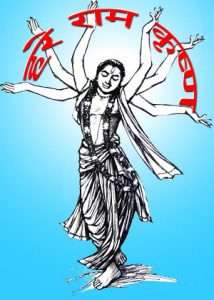
Elements (Tattva)
Mantra (caitanya-mantra-vidyā) is of the water element; knowledge is of the fire element; and the connection between them is of the ether (ākāśa) element. From all that we have
learned above, the one aspect subject to fate and change—subject to human uncertainties—is the relationship, which is governed by Viṣṇu.
Viṣṇu manifests in many forms—indeed, countless forms. For the study of Jyotiṣa, we consider ten principal forms known as Yuga-avatāras. There are many others, each highly significant. This is studied later in depth, as Parāśara has devoted a full chapter to this topic, and the tradition allocates considerable time and resources to it.
We have already established:
- Vidyā → 4th house → Pārvatī → Cancer → Moon
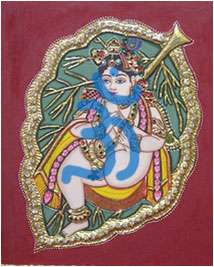
Parāśara also teaches that the sacred avatāra name associated with the Moon is Kṛṣṇa. This name has the power to maintain harmony with the Moon.
Similarly:
- Jñāna → 5th house → Śiva → Leo → Sun
Parāśara teaches that the sacred name associated with the Sun is Rāma.
Now we combine these two names into a mantra called the Janaka Ṣaḍakṣarī:
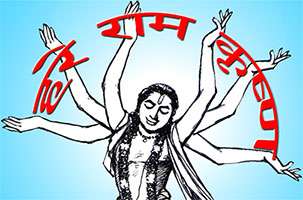
hare rāma kṛṣṇa
As soon as we wake up, without putting the weight of our body, the weight of our sins on Mother Earth, we chant this mantra one hundred and eight times. This mantra is for those who are born to a Hindu father. But what about those who are not born Hindu? What about those who do not know about their father? Based on the teachings of Chaitanya for Bhakta Salbeg, the mantra should be reversed. Chant this mantra exactly as you did before, until you get the Gayatri Mantra. After this, you can do Janaka Shadakshari.
hare kṛṣṇa rāma