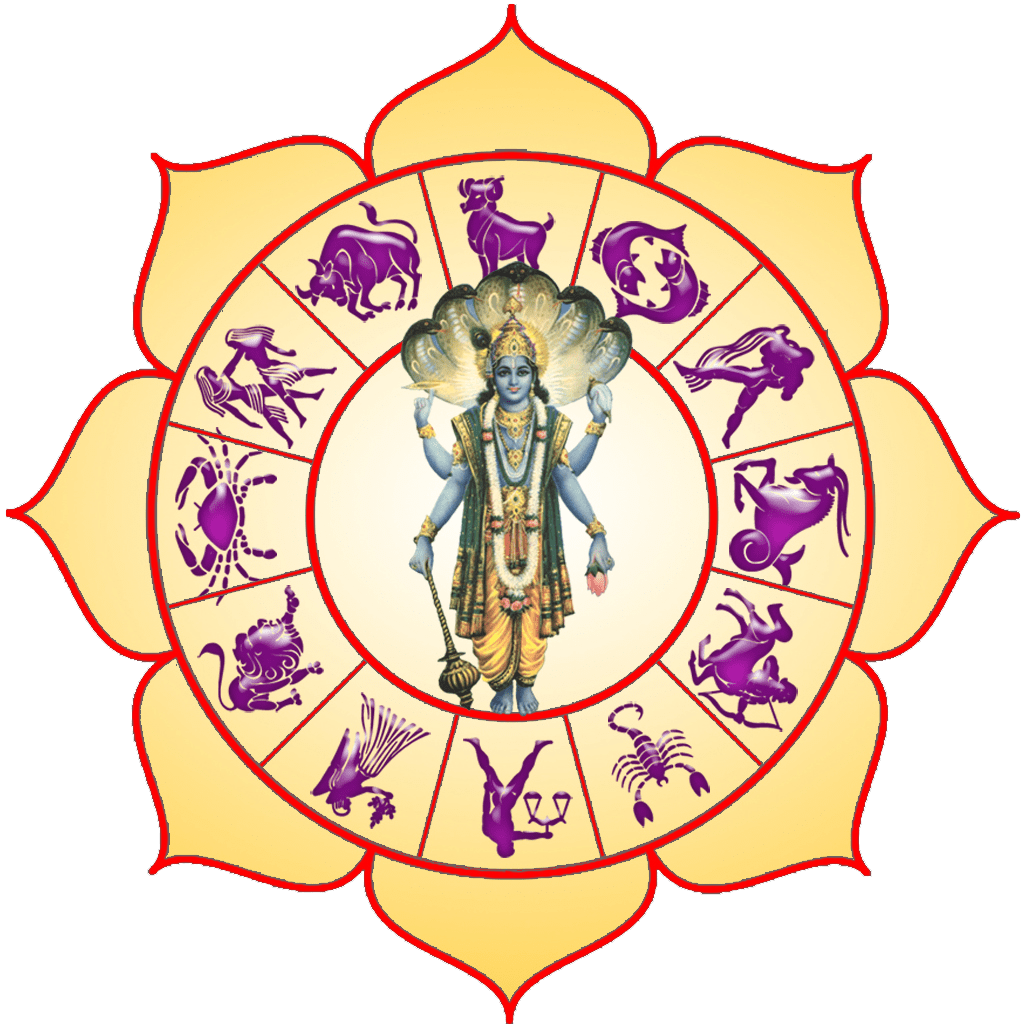
मेषो वृषोऽथ मिथुनः कर्कटः सिंहकन्यके।
तुलाऽथ वृश्चको धन्वी मकरः कुंभमीनकौ॥
meṣo vṛṣo’tha mithunaḥ karkaṭaḥ siṁhakanyake |
tulā’tha vṛścako dhanvī makaraḥ kuṁbhamīnakau ||
Translation: Popular names of the Rashi are Mesa (Aries), Vrşa (Taurus), Mithuna (Gemini), Karkața (Cancer), Simha (Leo), Kanya (Virgo), Tula (Libra), Vrscika (Scorpio), Dhanus (Sagittarius), Makara (Capricorn), Kumbha (Aquarius) and Mina (Pisces)
Rasi: Sun Signs
The word rasi refers to a quantity of something, and is a measure of this quantity implying something tangible. it means a heap, mass or pile of anything. For example, dhana (wealth) rasi can mean the quantum of wealth. It also means a group or multitude of beings like animals or men. it is a quantity indicated by a number. For example Vrsabha (bull) rasi can mean a herd of bulls or cattle thereby referring to such a group of animals.
In Jyotisa, it specifically refers to a sign of the zodiac which represents all of men, material and money that is measured by the quantum of degrees of longitude. As such the ecliptic is 360 and is composed of twelve rasi each measuring 30° longitude. Now, when we divide 360° by 30°, we get 12 rasi. Thus, if each rasi is a measure of exactly 30°.. then there can only be 12 such signs mathematically and any modem revision is not going to fit into this ancient fundamental jyotisa paradigm.
How did we get 30° for each sign? The Sun and Moon were observed to conjoin in the sky every 30 days. And it was observed that the average motion of the Sun is about 1° per day. Therefore, in 30 days the Sun would have moved ahead by 30°. This measure by which the Sun moved ahead between two conjunctions with the Moon is called a rasi. li is a measure or quantity of degrees of solar motion between subsequent conjunctions with the Moon. Therefore these rasi of 30° are called ‘Sun signs’ as they measure out the solar motion. The day the Sun enters a sign is called Sankranti.
Most of these signs look like the creatures they represent. When a sign represents one creature, it is blessed not to hava a flaw whereas when a sign represents two or more, is said to have bullt in flaws. Seven of these Twelve signs have flaws – can you figure this out?
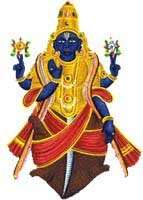
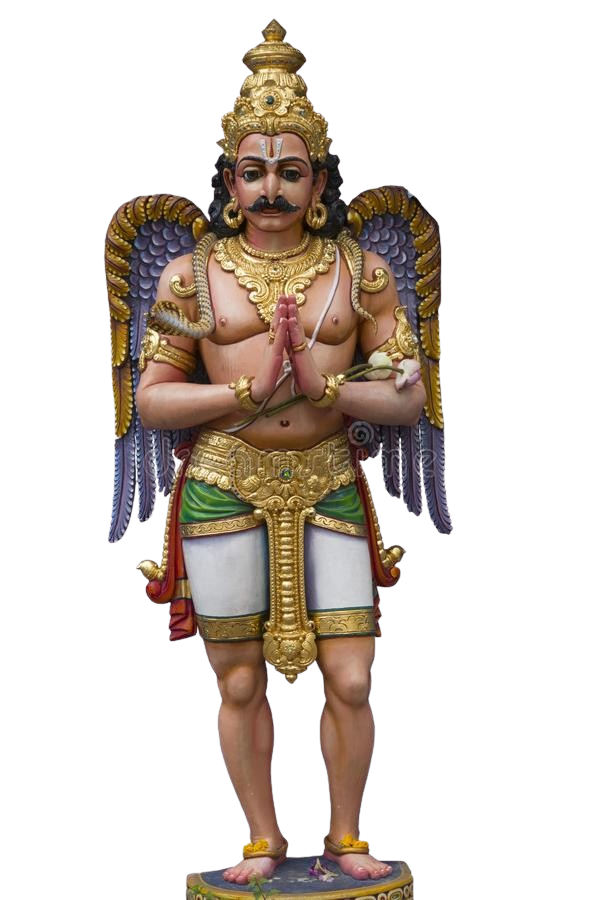
Surya, the Sun god, has manifested in twelve forms and these are the dvadasa (twelve) Aditya. The name Aditya is from their mother Aditi who gave birth to these Aditya who govern the twelve signs. Of these the greatest is Visnu Adiya for He grants moksa and forgiveness from sins, good sleep and rejuvenation etc. The twelve aditya are Dhar (Savitr), Aryaman, Mitra, Varuna, Indra, Vivasvat, Puşan, Parjanya, Ańshuman, Bhaga, Tvastr and Vişnu in the order of the Twelve signs.

Agni Adi-Devata
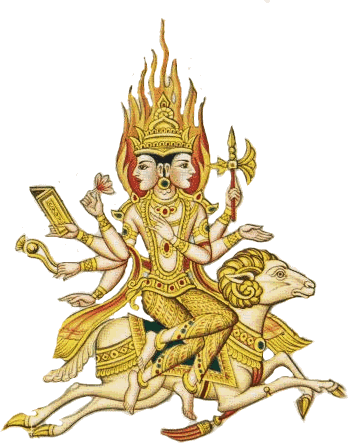
Since these are Sun signs, the one greatest quality of the Sun is its fire which gives heat and light. This is Agni tattva and Agni, the god of fire becomes the adi-devata of Surya (Sun). Therefore, Agni must be the one ‘preceding’ or starting the Sun signs. The first Sun sign is called Meşa Rasi (English Aries) and represents the Ram, which is what mesa means in Sanskrit.
Counting from Ganesa
When the Rasi are counted, the sign in the easter horizon gets the singular status as 1′, the first house. It is from here that the count (called ganana) begins – hence Ganesa bhava. Subsequent houses get a number and the last is the Twelth house. Any of the zodiac signs (called rasi) can be in this first house. This is considered very auspicious house and is the first worshipped of first praised just like Ganesa, the first worshipped among the devata. Why Ganesa?
To decide who shall be first worshipped among the demes, there was the need to determine a devata who shall bring auspiciousness called subha in Sanskrit. Such a deity would cause the day to being and would have the power to provide light even in darkness. He would have the power to breathe the wind (life – prana vayu) into the bodies of beings and thereby control the earth element (prithvi tattva) from disintegrating overnight. This relationship causes created beings to have the power to retain their body over a period of time called ‘their longevity’. The Trimurti (Brahma, Vişnu and Rudra) were unanimous that this can only be Ganesa, but the other gods contested. They forsook their responsibilities and participated in a race around the worlds- the fastest among them would be declared the winner and first worship worthy. They had mighty elephants (Indra) and fast birds like peacock (Kartikeya) to win the race. Little Ganesa was sure to be the last. How could he defeat such mighty warriors?

इसलिए ॐ नमः शिवाय | om namaḥ śivāya.
But he was wise and caring. He realised that the devata have forgotten their duties in the face of this contest and therefore, he raised his elephant trunk and blew life into the three worlds, lest the poor creatures may die for want of air to breathe (Vayu devata, the wind god was also contesting). He light a lamp and offered it to Lord Siva, and the three words received light (Surya, the Sun god was also contesting and had forgotten his duty)
Finally, he sat on his rat, the little mouse, the most insignificant creature, and rode around Lord Siva and Durga three times. He declared that since Lord Siva and Mother Durga together represented the entire manifested universe, therefore he had actually circumbulated the three worlds thrice! He was declared the winner and the most auspicious one as He never forgets responsibilities, never covets rewards and always thinks of the welfare of others first. While the other devata have mighty animals and birds to ride, Ganesa rides the tiny mouse thereby giving importance even to the lowly and small creatures and shows that life is as valuable for the big creatures as it is for the small ones.
Since Ganesa also represents beginnings, his vahana (animal vehicle) the rat is represented by the first astrological house.
This little creature has the power to ward of Yama, the god of death for he stood with Ganesa when everyone else raced off thereby reminding Ganesa about the need to keep the worlds alive.
Lesson
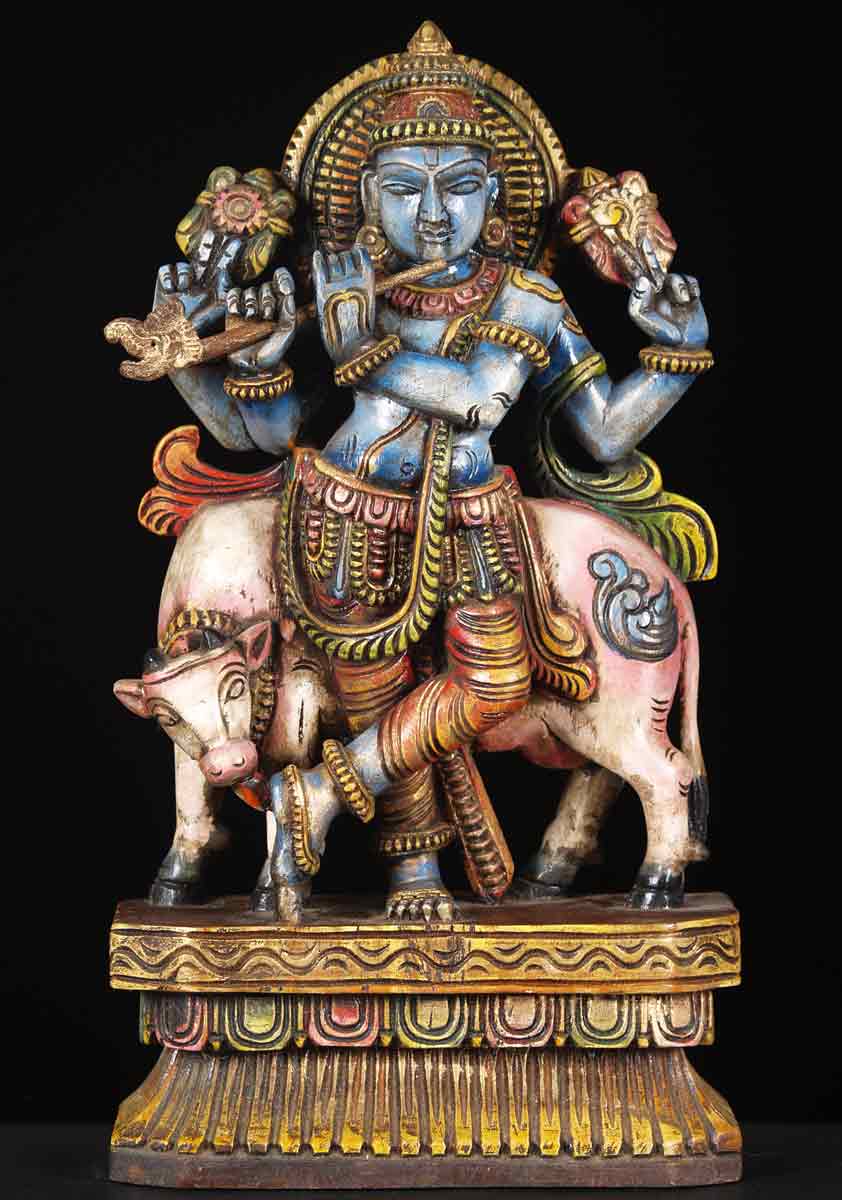
Do we understand that there must be two sets of animals – (1) based on the Aditya and their devata like Agni and (2) based on Ganesa and the count called bhava (houses). Further, these animals must match the qualities of the signs (rasi) and houses (bhava) in some manner. Just as we have the (mesa) ram for the first rasi and (müsaka) or rat for the first bhava, so also we have the (vrsabha) or bull as the animal for the second rasi and (go) or cow as the animal for the second bhava.
Assignment
Read about the twelve astrological signs called rasi and the dvadasa aditya. Learn everything about the twelve Aditya and share your notes at the forums.