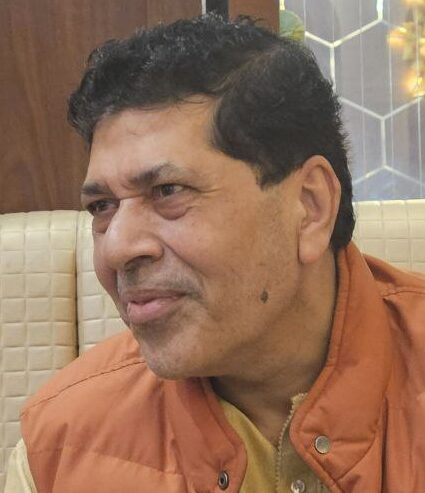

Author: Sanjay Rath

Sanjay Rath (उड़िया: ସଞୟ ରଥ) comes from a traditional family of astrologers in Puri, whose lineage traces back to Sri Achyuta Das (Achyutananda). Sanjay Rath uses the Brihat Parashara Horashastra, Jaimini Upadesha Sutra, Brihat Jataka, and Kalyanavarma's Saravali as the foundation of his astrology, and draws on various other Jyotish scriptures. His overall teachings and writings span various schools of thought, although he has not created his own brand of astrology.
2 1684

Webinars – Rasi

 Sanjay Rath  31 March 2015

Welcome to the Parashara Astrology Course Year 1 Webinars.

1. We will update this page whenever a webinar is held.
2. Online classes are conducted through lessons using software such as Zoom or GoToWebinars. Tutorials/webinars will be held approximately four times a month or more, as needed. Some tutorials may also be conducted by a mentor, depending on availability. There will also be a contact class of at least 10 days each year. Attendance at tutorials and contact classes is optional. The annual contact class will be held in India. We will periodically create a forum or Telegram group to answer your questions.

1 672

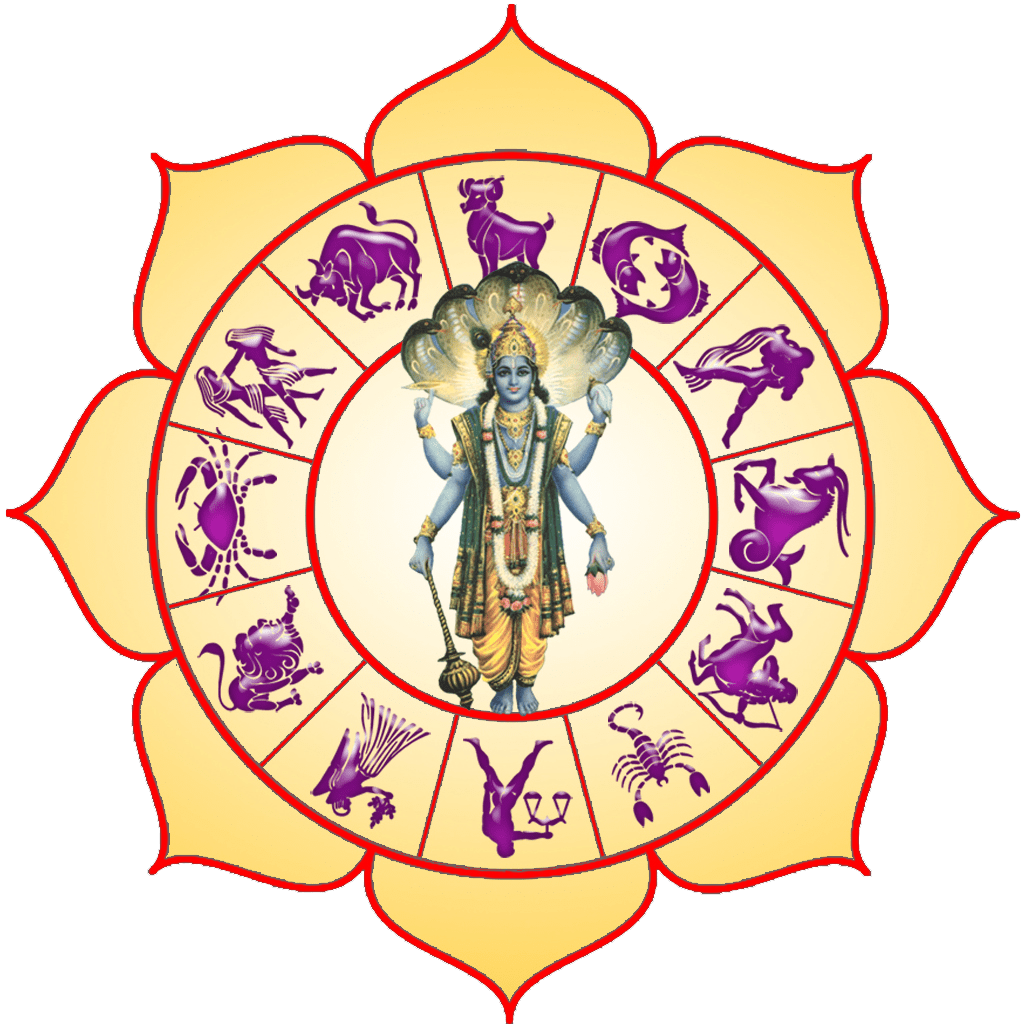
Expansion of Narayana – Directions

 Sanjay Rath  31 January 2015

In the foundational teachings of Vedic Jyotiṣa, the first part of the body of Nārāyaṇa was divided into four parts. If we consider the entire body as an endless circle, dividing it by four gives quarters of 90° each. For this, we use a special term called Kendra. The Sanskrit word Kendra literally means a center. If we speak of directions, we have only four principal directions—East, West, North, and South. Each of these is called a Kendra because, at any given time, when we face one direction, the other three are completely out of our sight.

0 584

Knowledge, Wisdom and Mantra

 Sanjay Rath  10 January 2015

As you know, we have short contact classes where we teach some subjects of PJC and get the opportunity to meet students. This interaction is very beneficial for both, as ultimately it follows the guru–śiṣya paramparā, the ancient Indian traditional system of learning. In the Gurukula system, it was envisioned that the guru (plural: gurus; feminine: gurvī) would be like elders in a joint family, and the students would be like children. Age was never a factor, as learning was open to all ages and all stages of life.