Significations
Navagraha Significations
302 Graha Guna Svarupa Slides
302A Graha Guna Svarupa Slides
302B Graha Guna Svarupa Slides
302C Graha Guna Svarupa Slides
Navagraha 302
Satya Jyotiṣa
Navagraha Significations
302 Graha Guna Svarupa Slides
302A Graha Guna Svarupa Slides
302B Graha Guna Svarupa Slides
302C Graha Guna Svarupa Slides
Navagraha 302
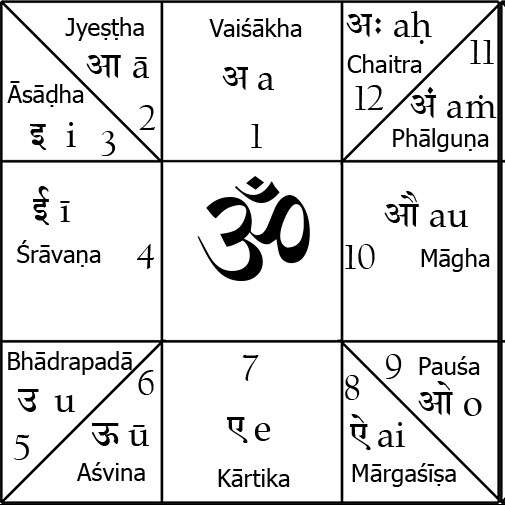
मासश्चैत्रो थ वैशाखो ज्येष्ठ आषाढ संज्ञकः।
ततस्तु श्रावणो भाद्रपदाथाश्चिनसंज्ञकः॥
कार्तिको मार्गशीर्षश्च पौशो माघोथ फाल्गुनः।
एतानि मासनामानि चैत्रा दीनां क्रमाद्विदुः॥
māsaścaitro tha vaiśākho jyeṣṭha āṣāḍha saṁjñakaḥ|
tatastu śrāvaṇo bhādrapadāthāśvinasaṁjñakaḥ ||
kārtiko mārgaśīrṣaśca pauśo māghotha phālgunaḥ |
etāni māsanāmāni caitrā dīnāṁ kramādviduḥ ||
Months are called māsa and there are twelve months in a year (saṁvatsara, varṣa). These months are called
Chaitra after the full moon
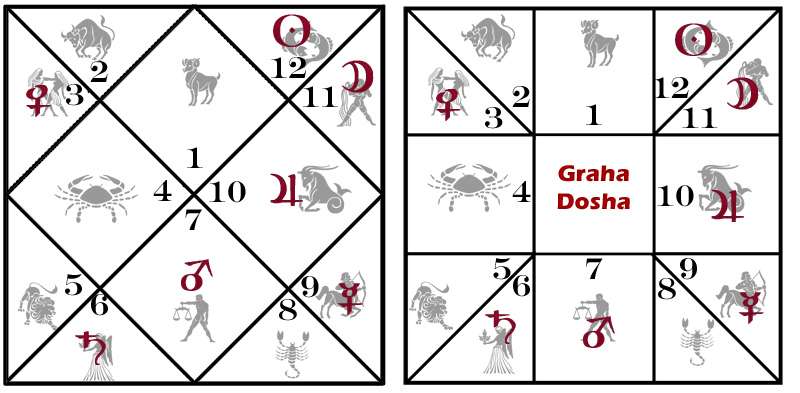
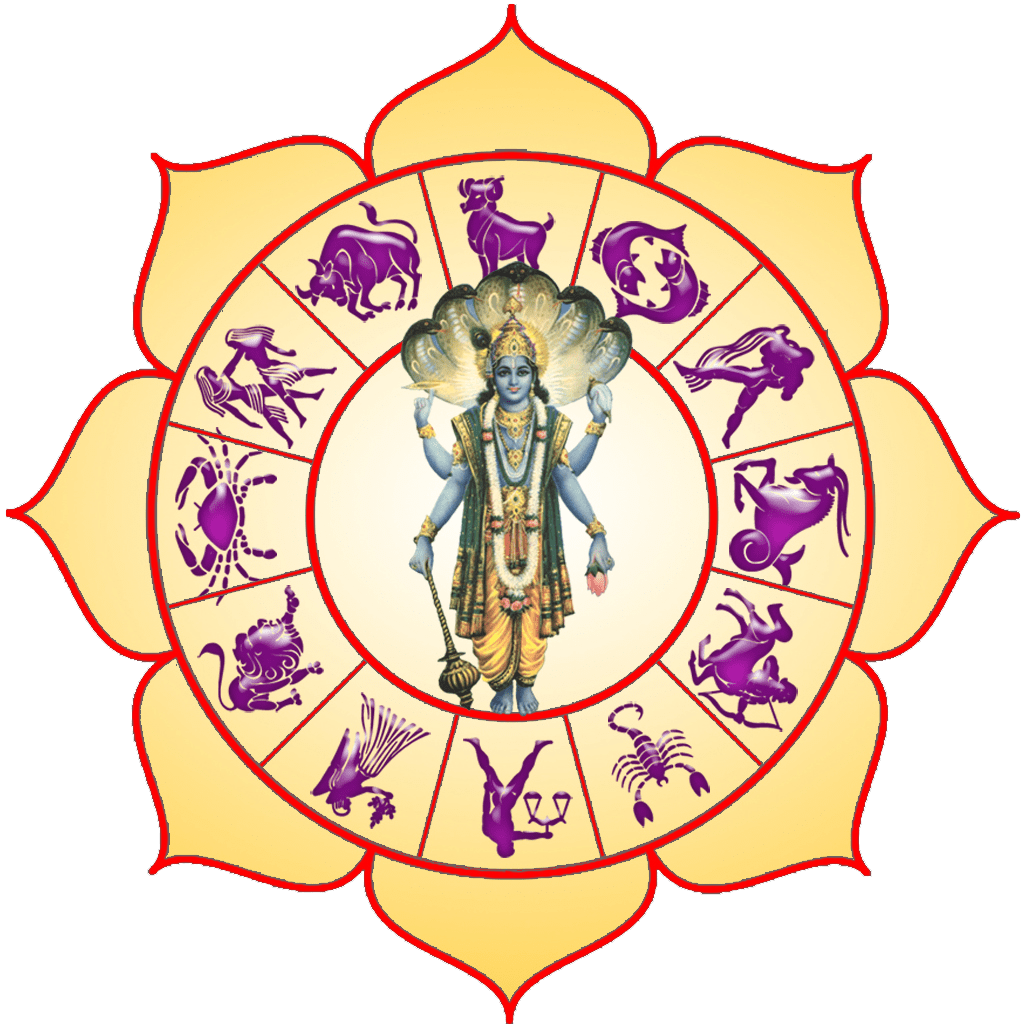
We also learn about the 12 signs of the bhā-chakra (zodiac). It is noteworthy that of all the names of Sūrya, the Sun god, the name Bhāskara specifically means creator (kara) of the bhā-chakra. You will need to start making notes as you study this lesson so that you understand the various names of each sign. Try to understand that of the 12 signs, seven signs have a creation flaw (what is creation flaw??). These are –
Sign
Flaw
Planet
Devatā
Bīja
Pisces
Agni
Sun
Agni
hrūṁ
Aquarius
Jala
Moon
Gourī
vaṁ
Libra
Skanda
Mars
Kālikā
krīṁ
Sagittarius
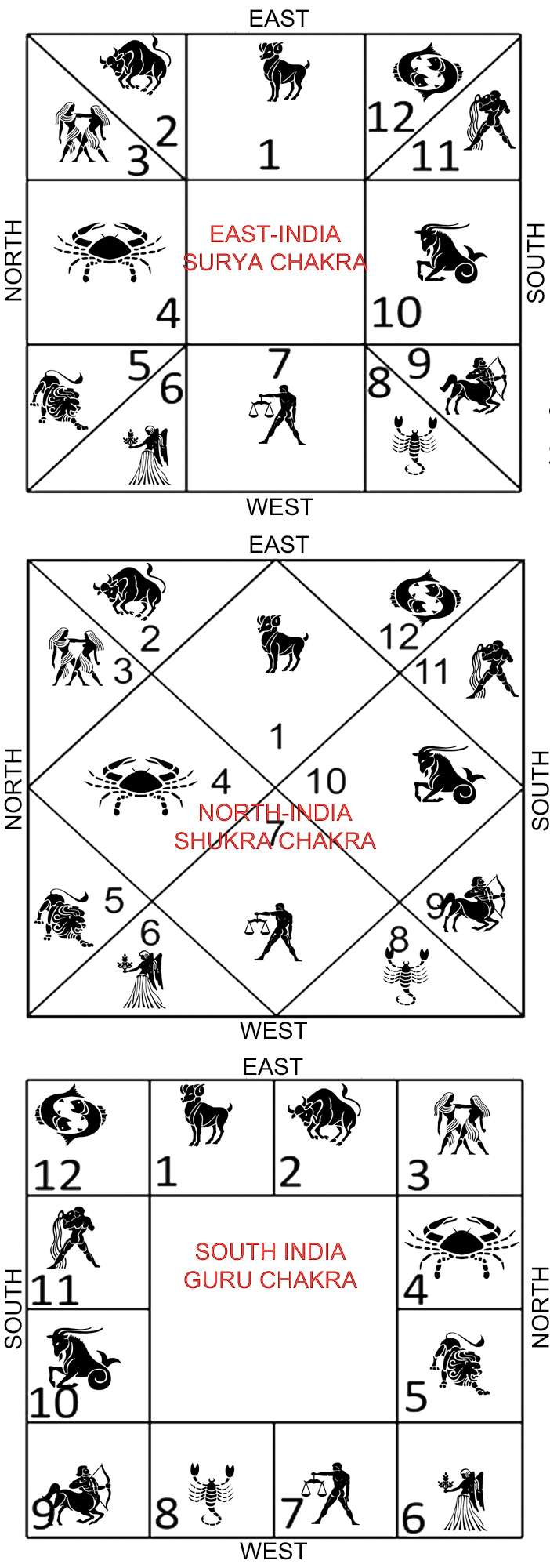
There is another slide on drawing charts. You also need to study this and make a list of the spiritual practices discussed therein. It is important that you practice drawing the charts, even if you have a computer to do so. You MUST learn how to draw them correctly by habit
Drawing Charts Slides
Various MP3 Audio
A few MP3 files have been added for your benefit.
Spiritual
Sarbani Rath performed the Durga Puja and this is a recording of two very important parts of the Puja – the recitation of the navakshari mantra followed by Sri Chandi.
Chamunda Mantra
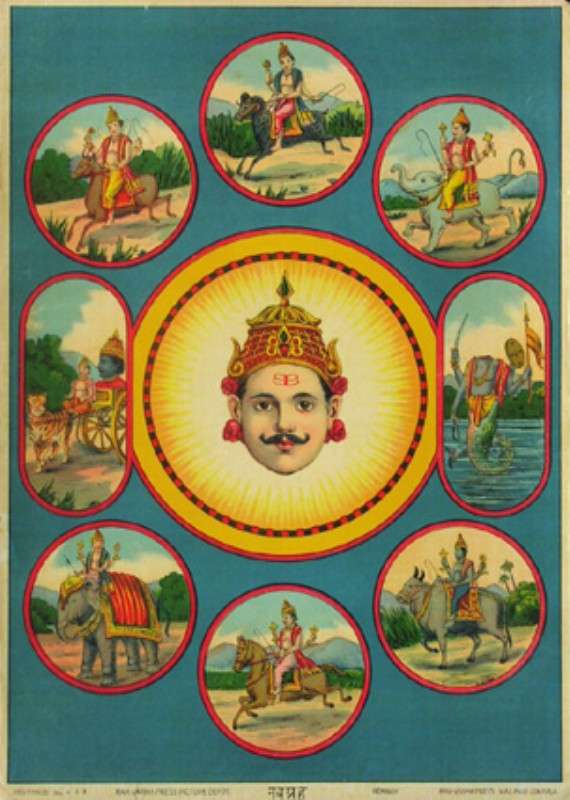
राशिस्वामिनः। rāśisvāminaḥ |
मेषवृश्चिकयोभौंमः शुक्रो बृषतुलाधिपः।
बुधः कन्यामिथुनयोः प्रोक्तः कर्कस्य चन्द्रमाः॥
स्यान्मीनधनुषोजीवः शनिर्मकरकुंभयोः।
सिंहस्याधिपतिः सूर्यो राश्यधीशाः प्रकीर्तिताः॥
meṣavṛścikayobhauṁmaḥ śukro bṛṣatulādhipaḥ |
budhaḥ kanyāmithunayoḥ proktaḥ karkasya candramāḥ ||
syānmīnadhanuṣojīavaḥ śanirmakarakuaṁbhayoḥ |
siṁhasyādhipatiḥ sūryo rāśyadhīśāḥ prakīrtitāḥ ||
Translation: The lordship of the signs. Aries and Scorpio have Mars as their lord; Venus lords over Taurus and Libra; Mercury lords Virgo and Gemini while the Moon lords Cancer. Jupiter lords Pisces and Sagittarius while Saturn lords Capricorn and Aquarius. The Sun is not only the lord of Leo but also the king of the zodiac (rāśyadhīśāḥ).
By implication, planets as lords
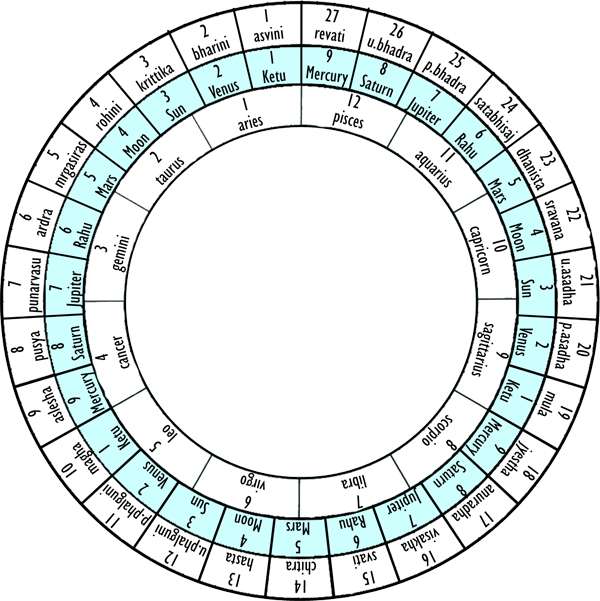
नक्षत्रपादैः राशिविचारः।
nakṣatrapādaiḥ rāśivicāraḥ |
Translation: The signs were created from the pada of the nakṣatra (constellations). Every nakṣatra has four pada each measuring 3°20’. The span of nakṣatra is 4×3°20’=13°20’. The span of a rāśi is 30°. Nine nakṣatra-pada join to create a rāśi 9×3°20’=30°. The important concept explained here is the power of mind over matter. The 360° nakṣatra-belt is called the bhā-chakra, and the zodiac is derived from this bhā-chakra of the nakṣatra. In other words, nakṣatra chakra is creator of the rāśi chakra. By implication, the mind which works through the nakṣatra chakra is superior
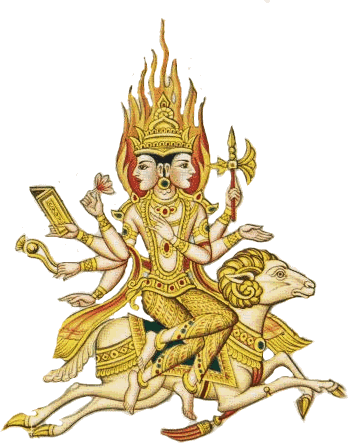
राशिनामानि। rāśināmāni |
मेषो वृषोऽथ मिथुनः कर्कटः सिंहकन्यके।
तुलाऽथ वृश्चको धन्वी मकरः कुंभमीनकौ॥
meṣo vṛṣo’tha mithunaḥ karkaṭaḥ siṁhakanyake |
tulā’tha vṛścako dhanvī makaraḥ kuṁbhamīnakau ||
Translation: Popular names of the Rashi are Meṣa (Aries), Vṛṣa (Taurus), Mithuna (Gemini), Karkaṭa (Cancer), Siṁha (Leo), Kanyā (Virgo), Tulā (Libra), Vṛścika (Scorpio), Dhanus (Sagittarius), Makara (Capricorn), Kumbha (Aquarius) and Mīna (Pisces)
Rāśi: Sun Signs
The word rāśi refers to a quantity of something, and is a measure of this quantity implying something tangible. It means a heap, mass or pile of anything. For example, dhana (wealth) rāśi can mean the quantum of wealth. It
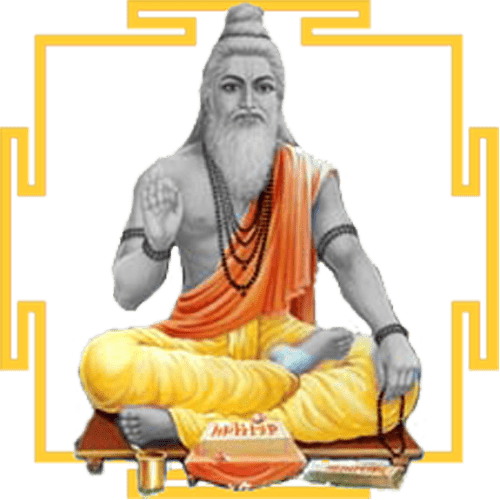
om gurave namah
The time allocated for each topic is about 15 days and the dates indicated are the last date for the topic to be completed and assignment submitted. If you are late, please do not submit the assignment. Students will be graded on the basis of their assignments and tests. However, we have done away with the grading system and this removes the stress and makes the learning much more fun.
Please read the general instructions for online and contact classes
Discussions Forum
The Social Forum at Yahoo!Groups is for your gossip, chat, small notes and other
All of you must have read the preparatory lesson titled Foundation of Vedic Astrology. Now, when you have the time, please listen to these 36 CD quality recordings of the foundation lecture. For your convenience, a ready link for the paper is also provided. You are allowed to download these MP3 audio files, burn them into CDs or simply compy them into your MP3 player, IPhone etc, and listen to them whenever you have the time. Even if you have heard this before or heard it a few times before, there is no harm in repeating it. Strong foundations hold