
Author: Sanjay Rath

Sanjay Rath (उड़िया: ସଞୟ ରଥ) comes from a traditional family of astrologers in Puri, whose lineage traces back to Sri Achyuta Das (Achyutananda). Sanjay Rath uses the Brihat Parashara Horashastra, Jaimini Upadesha Sutra, Brihat Jataka, and Kalyanavarma's Saravali as the foundation of his astrology, and draws on various other Jyotish scriptures. His overall teachings and writings span various schools of thought, although he has not created his own brand of astrology.
0 160

Jyotisa Scope

 Sanjay Rath  15 January 2013

Vedanga Jyotisa

Objective of the lesson is to know how big is this subject and to realize that Jyotisa is as vast as the universe. Everything that is created finds its place in symbols and significations. Please take a printout of the slides and keep them with you while listening lo this lecture so that you can make notes immediately as you go through the slides. Let me give you an example of a student who got into a detailed discussion with a pandit and later agreed with him that Muhurta is not a part of Vedic Astrology, It was a very embarrassing day for me as when someone pointed out that the student of PUC had made such a blunder, I was very sad. Please don’t make me sad. I have shared all this knowledge with the world so that you learn wall and if your fundamentals are going lo be weak. how can anyone help you. Listen to me and take the printout and make notes. Always make written notes.

0 163

Vara : Weekdays

 Sanjay Rath  15 January 2013

अथ सप्त वाराः। atha sapta vārāḥ |

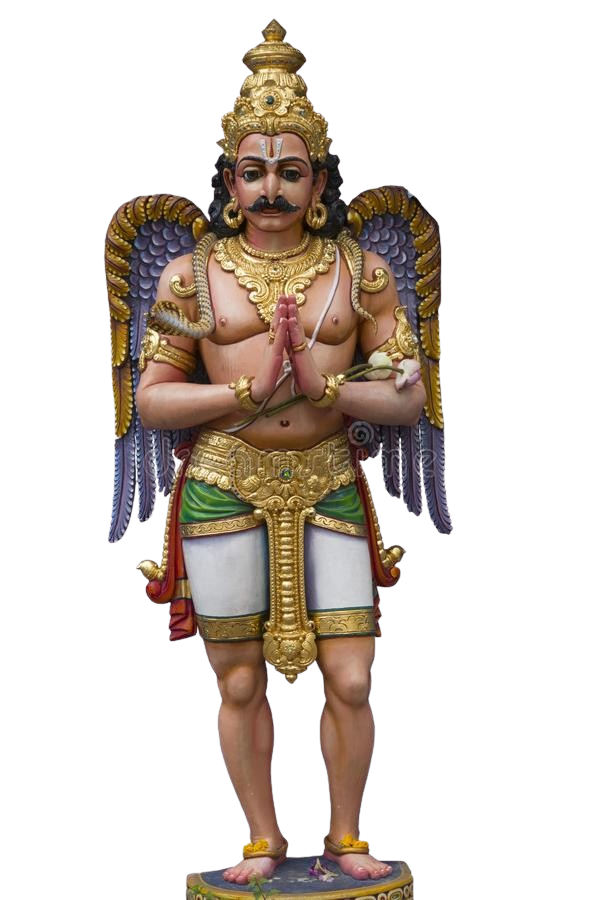
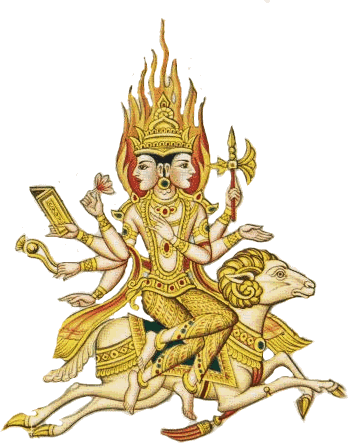
Translation: Sun (aditya), Moon (candrama), Mars (bhauma), Mercury (budha), Jupiter (brhaspati), Venus (sukra), Saturn (saniscara) are the givers of the seven (sapta) weekdays (vara). The weekdays are simply named after the planets by adding the sufix ‘vara’ or ‘day’ after the name of the planet lord.

0 369

BPHS Path

 Sanjay Rath  15 January 2013

Why are we studying BPHS in this way?

This is the same way in which we have learned the BṛhatParāśaraHorāŚāstra (BPHS), and this is exactly how we intend to teach this Vedic text. The current form of BPHS is the result of efforts to recover this lost scripture. Even at the height of his fame, Varāhamihira did not have access to BPHS, which suggests that this text was not publicly available and was preserved secretly by a few Brahmin families.

Later, fragmented chapters were recovered from across North India, and various versions of BPHS were published